A well paved driveway does more than provide a place to park your car. It enhances curb appeal, improves property value, and ensures safe and convenient access to your home. For homeowners planning a new installation or replacing an old surface, understanding the basics of driveway paving is essential. From material choices to maintenance tips, this complete guide will help you make informed decisions and get long lasting results.
Driveway paving starts with choosing the right material. The most common options include asphalt, concrete, gravel, and pavers. Asphalt driveways are popular because they are cost effective and quick to install. They perform well in colder climates and can last up to 20 years with proper maintenance. Concrete driveways offer a clean and modern appearance. They are durable, low maintenance, and can last 30 years or more. Gravel driveways are affordable and easy to install, making them ideal for rural properties. However, they require regular upkeep to maintain a smooth surface. Paver driveways, made from brick, stone, or concrete blocks, provide a premium look and excellent durability. Although they cost more upfront, they are easy to repair by replacing individual pavers.
Before starting any driveway paving project, proper planning is crucial. Begin by evaluating the size and layout of your driveway. Consider the number of vehicles you own and whether you need extra space for turning or guest parking. Drainage is another important factor. A properly graded driveway prevents water from pooling and reduces the risk of cracks or erosion. Local building codes and permit requirements should also be checked to avoid unexpected delays or fines. For driveway paving Lynchburg call Wells Paving Services.
The preparation stage is the foundation of a successful driveway paving project. Contractors typically remove the existing surface and excavate the area to a specific depth. A strong base layer, usually made of crushed stone or gravel, is then installed and compacted. This base supports the top layer and prevents shifting or sinking over time. Skipping or rushing this step can lead to premature damage and costly repairs.
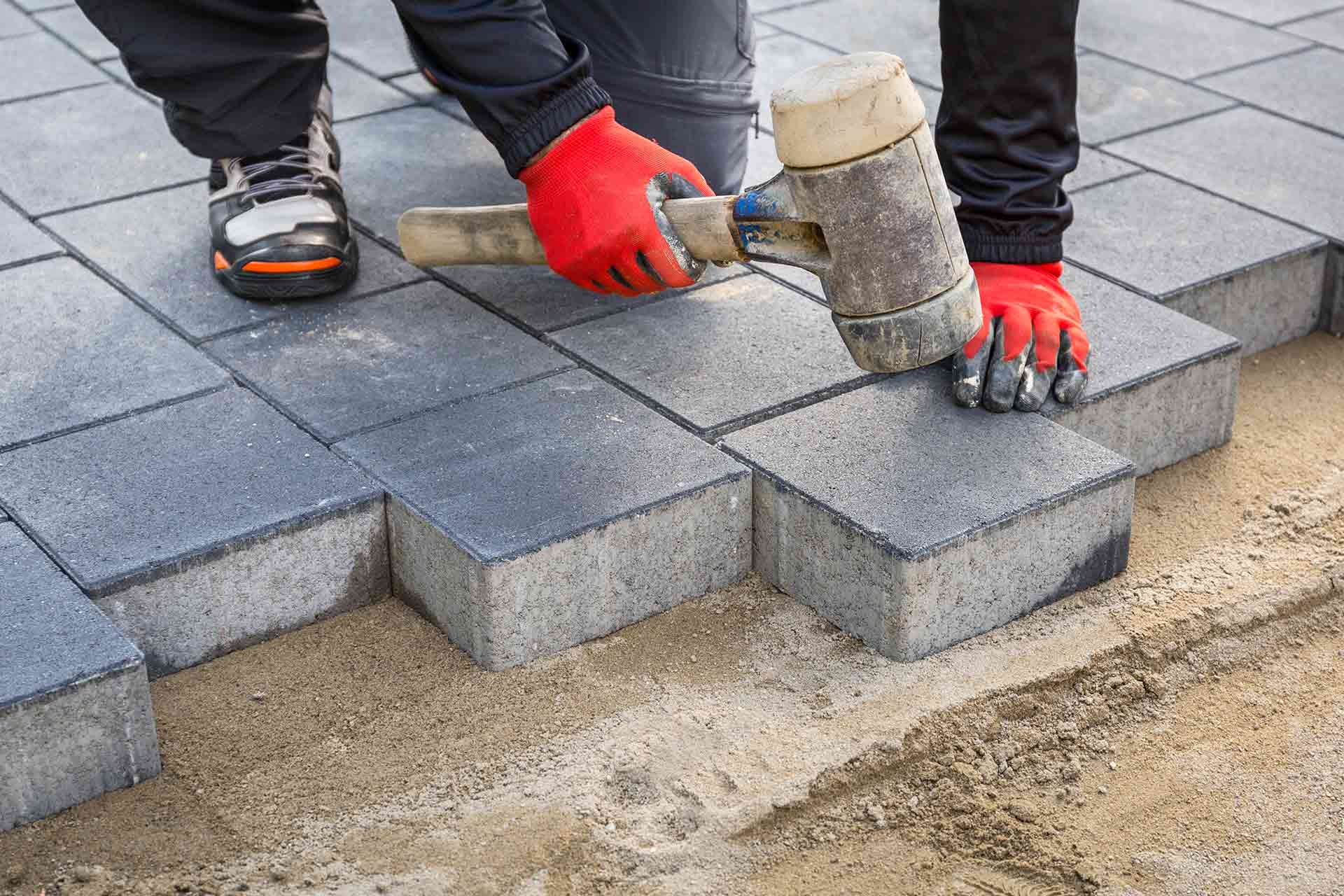
Installation methods vary depending on the material chosen. Asphalt is heated and poured onto the prepared base before being compacted with heavy rollers. It usually takes 24 to 48 hours to cure enough for vehicle use. Concrete is poured and leveled, then left to cure for several days. Expansion joints are added to prevent cracking due to temperature changes. Pavers are carefully laid in a pattern over a sand bed and compacted to ensure stability. Gravel is spread evenly and compacted to create a firm driving surface.
Cost is a major consideration for homeowners. Driveway paving costs depend on material, size, labor, and location. Asphalt is generally less expensive than concrete or pavers. While gravel has the lowest initial cost, ongoing maintenance expenses can add up over time. Investing in quality materials and professional installation can save money in the long run by reducing repair needs and extending the lifespan of your driveway.
Maintenance plays a key role in keeping your driveway in top condition. Asphalt surfaces should be sealed every two to three years to protect against moisture and UV damage. Small cracks should be filled promptly to prevent them from expanding. Concrete driveways benefit from periodic cleaning and sealing to resist stains and surface wear. Gravel driveways require occasional grading and replenishing of stones. Paver driveways may need joint sand replacement and weed control to maintain their appearance.
Weather conditions can significantly impact driveway paving projects. Extreme heat or cold can affect installation quality and curing time. It is generally best to schedule paving during mild, dry weather. In regions with heavy rainfall, ensuring proper drainage and selecting water resistant materials is especially important. In colder areas, choosing materials that can withstand freeze thaw cycles will help prevent cracking and surface damage.
Hiring a professional contractor is often the smartest choice for driveway paving. Experienced contractors have the equipment and expertise to handle excavation, grading, and installation efficiently. When selecting a contractor, check reviews, ask for references, and request a detailed written estimate. Comparing multiple quotes can help you find the best balance between cost and quality. Avoid choosing solely based on the lowest price, as poor workmanship can lead to higher expenses later.
Driveway paving is also an opportunity to enhance the overall look of your property. Decorative options such as stamped concrete, colored pavers, or unique border designs can create a distinctive entrance. Adding lighting along the driveway improves safety and highlights landscaping features at night. These upgrades can significantly boost curb appeal and make a lasting impression on visitors.
Sustainability is becoming increasingly important for homeowners. Permeable pavers and eco friendly materials allow water to drain through the surface, reducing runoff and supporting groundwater recharge. Recycled asphalt and concrete materials can also minimize environmental impact while maintaining durability. Discussing green options with your contractor can help you choose a solution that aligns with your environmental goals.
In conclusion, driveway paving is a valuable investment that enhances functionality, safety, and visual appeal. By understanding material options, planning carefully, ensuring proper installation, and maintaining the surface regularly, homeowners can enjoy a durable and attractive driveway for decades. Whether you choose asphalt, concrete, gravel, or pavers, making informed decisions will ensure your driveway stands the test of time and adds lasting value to your home.


