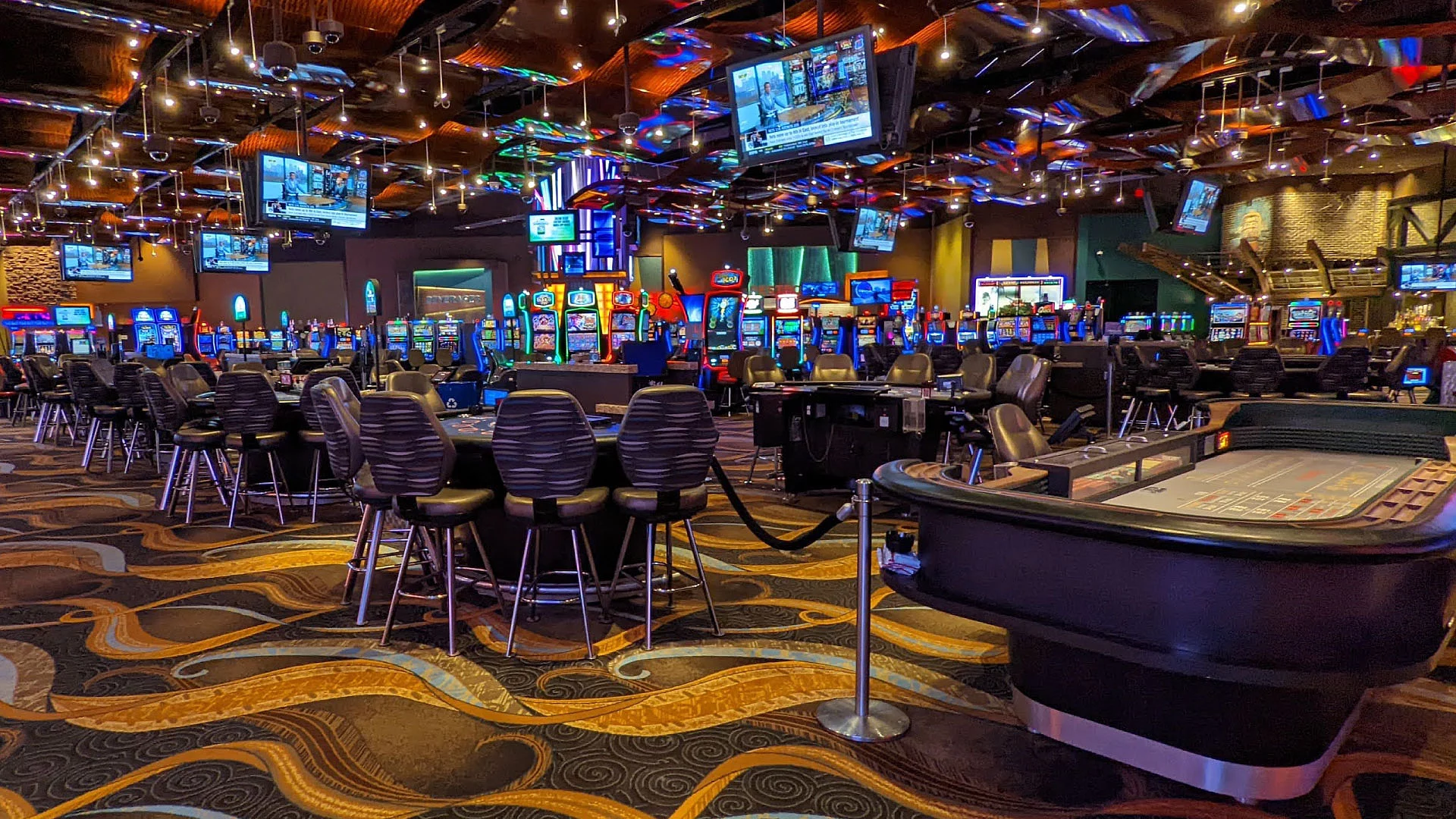
The keyword slot is often associated with simple entertainment, but modern slot games are actually complex digital systems built on mathematics, probability theory, and large-scale software engineering. Behind every spin lies a carefully designed framework that balances fairness, randomness, profitability, and user engagement.
This article explores deeper layers of slot systems, including how outcomes are structured, how fairness is maintained, and how the industry designs games at scale.
The Digital Architecture of Slot Games
Every slot game runs on a software engine that simulates thousands of events per second. The visible reels are just a user interface layer on top of a deeper probability system.
Core components include:
- RNG (Random Number Generator) engine
- Symbol mapping database
- Weighted probability tables
- Game state controller
- Payout calculation module
Together, these systems ensure that every spin is independent and mathematically controlled.
Probability Distribution and Symbol Logic
In a slot game, each symbol is assigned a probability weight. This means the likelihood of appearance is not equal across all symbols.
Developers define:
- High-frequency low-value symbols
- Low-frequency high-value symbols
- Rare special symbols (wilds, scatters, bonuses)
This creates a structured randomness where outcomes are unpredictable in the short term but statistically stable in the long term.
Random Number Generation in Depth
The RNG system used in slot games is typically a pseudo-random algorithm. It continuously generates values even when the game is idle.
A simplified representation of randomness selection can be expressed as:
X=f(RNG(t))
Where:
- t = time-based seed input
- f = mapping function to game symbols
- X = final slot outcome
This ensures that no pattern can be predicted or influenced by past results.
RTP, House Edge, and Long-Term Balance
A key concept in slot design is Return to Player (RTP), which defines expected payout over time.
House Edge=100%−RTP
For example:
- RTP = 96% → House Edge = 4%
- RTP = 94% → House Edge = 6%
This does not guarantee individual outcomes but ensures long-term statistical balance across millions of spins.
Volatility and Game Identity
Each slot game is designed with a volatility profile that defines how payouts are distributed.
σ=N1∑(xi−μ)2
This standard deviation reflects how much results vary from the expected average.
Types of volatility:
- Low volatility: steady small wins
- Medium volatility: balanced reward structure
- High volatility: rare but large payouts
Volatility is what gives each slot its “personality.”
Reel Systems and Modern Slot Structures
Traditional slot machines used fixed reels and paylines, but modern systems are far more flexible.
Common structures include:
Fixed Paylines
Classic pattern-based wins across predefined lines.
Ways-to-Win Systems
Wins are based on adjacent matching symbols rather than strict lines.
Megaways Mechanics
Dynamic reel sizes change every spin, creating variable combinations.
Cluster Pays
Wins occur when grouped symbols form clusters instead of lines.
Bonus Systems and Feature Engineering
Bonus rounds are central to modern slot design. They are mathematically pre-balanced into the game’s RTP structure.
Common features:
- Free spins with modified rules
- Multipliers that scale winnings
- Expanding reels or grids
- Pick-and-reveal bonus games
- Cascading wins that chain multiple outcomes
These features enhance engagement without altering the underlying randomness system.
Game Fairness and Certification
Reputable slot games undergo certification by independent testing labs. These organizations verify:
- RNG fairness
- RTP accuracy
- Absence of outcome manipulation
- Statistical compliance with declared models
This ensures that results remain unbiased and transparent.
Player Experience and Cognitive Design
Modern slot design incorporates behavioral insights to improve engagement. Developers carefully structure reward timing and visual feedback.
Common design techniques include:
- Near-win visual effects
- Sound reinforcement for small wins
- Animated reward sequences
- Progressive anticipation buildup
These elements influence perception but do not change the mathematical odds.
Mobile Systems and Cloud Integration
Most slot games today are designed for mobile-first environments. This requires:
- Fast rendering engines
- Low-latency server communication
- Optimized memory usage
- Cross-device synchronization
Cloud-based slot systems also allow real-time updates and centralized game management.
Future Technologies in Slot Development
The slot industry is moving toward advanced digital ecosystems:
- AI-generated dynamic game content
- Blockchain-verified randomness systems
- Fully immersive VR casino environments
- Social multiplayer slot platforms
- Adaptive difficulty balancing based on user behavior
These innovations aim to make slot gaming more interactive, transparent, and personalized.
Conclusion
The keyword slot represents far more than simple spinning reels. It is a sophisticated combination of mathematics, probability engineering, software architecture, and behavioral design. Modern slot games are carefully balanced systems that ensure fairness while delivering engaging entertainment experiences. As technology continues to evolve, slots will become even more immersive, data-driven, and interactive while maintaining their core foundation of structured randomness and statistical integrity.


