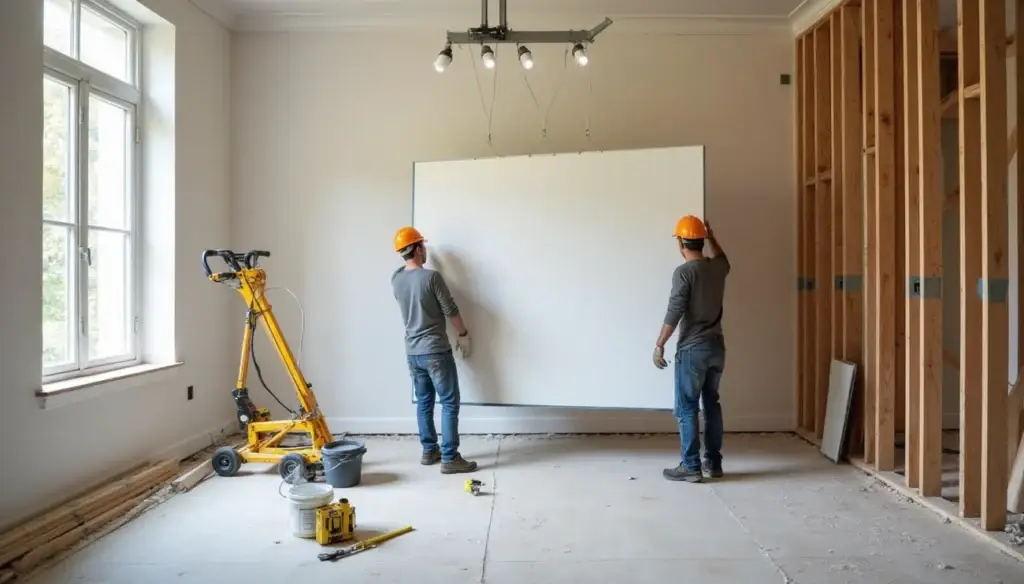
Plasterboard wall installation has become one of the most popular methods for creating interior walls in residential, commercial, and industrial buildings. Known for its affordability, versatility, and quick installation process, plasterboard offers a practical alternative to traditional masonry construction. Whether you’re building a new property, remodeling an existing space, or creating room partitions, plasterboard wall installation provides a clean and efficient solution.
With advancements in construction technology and modern design trends, plasterboard systems have become an essential component of contemporary interior construction projects.
What Is Plasterboard Wall Installation?
Plasterboard wall installation involves constructing interior walls using plasterboard panels attached to a metal or timber framework. These panels, often referred to as drywall or gypsum board, create smooth wall surfaces that can be painted, wallpapered, or finished according to design preferences.
The process typically includes:
- Measuring and planning the wall layout
- Installing the supporting framework
- Fixing plasterboard sheets to the structure
- Taping and filling joints
- Sanding and finishing surfaces
- Applying paint or decorative finishes
The result is a durable, professional-looking wall that can be completed much faster than traditional brick or concrete walls.
Benefits of Plasterboard Wall Installation
Fast and Efficient Construction
One of the biggest advantages of plasterboard wall installation is speed. Compared to traditional wall-building methods, plasterboard systems can be installed quickly, reducing labor costs and project timelines. This makes them ideal for both new construction and renovation projects.
Cost-Effective Solution
Plasterboard materials are generally more affordable than masonry alternatives. Additionally, the faster installation process lowers labor expenses, making plasterboard wall installation a budget-friendly option for homeowners and businesses.
Smooth and Professional Finish
Plasterboard provides a perfectly smooth surface that is ready for painting or decorating. This creates a clean, modern appearance that enhances the overall aesthetic of any interior space.
Flexible Design Options
Plasterboard wall installation allows for greater design flexibility. Walls can be easily shaped, modified, or extended to suit changing requirements. This adaptability makes plasterboard ideal for open-plan homes, offices, and commercial environments.
Improved Insulation
Modern plasterboard systems can incorporate insulation materials within the wall cavity. This helps improve thermal efficiency and soundproofing, creating a more comfortable and energy-efficient environment.
Common Applications of Plasterboard Wall Installation
Residential Homes
Homeowners frequently use plasterboard wall installation to create bedrooms, home offices, entertainment rooms, and open-plan living spaces. The lightweight nature of plasterboard makes it suitable for various residential applications.
Office Partitions
Businesses often rely on plasterboard walls to divide office spaces quickly and efficiently. These partitions create private work areas while maintaining a professional appearance.
Commercial Properties
Retail stores, hotels, restaurants, and healthcare facilities commonly utilize plasterboard wall installation for interior layouts. The system allows for rapid construction and future modifications when business needs change.
Renovation Projects
During property renovations, plasterboard walls are often used to redesign room layouts, conceal services, and modernize interiors without extensive structural work.
The Plasterboard Installation Process
A professional plasterboard wall installation follows several key stages:
Planning and Measurement
Accurate measurements are essential for ensuring proper wall placement and efficient material usage. Contractors carefully assess the space and create detailed installation plans.
Framework Construction
Metal or timber studs are installed to create a stable framework. The framework serves as the structural support for the plasterboard panels.
Board Installation
Plasterboard sheets are securely fixed to the framework using specialized screws or fasteners. Precise installation helps prevent future cracking or movement.
Joint Treatment
Joints between plasterboard sheets are taped and filled with joint compound to create a seamless appearance.
Surface Finishing
Once the compound has dried, the surface is sanded smooth and prepared for painting, wallpapering, or decorative finishes.
Why Hire Professionals for Plasterboard Wall Installation?
Although plasterboard systems may appear simple, professional installation is essential for achieving long-lasting results. Experienced contractors ensure accurate measurements, proper framework construction, and flawless finishing.
Professional installers can also recommend suitable plasterboard types, including moisture-resistant, fire-resistant, and acoustic boards for specialized applications.
Conclusion
Plasterboard wall installation is a practical, cost-effective, and versatile solution for modern interior construction. Its quick installation process, smooth finish, design flexibility, and insulation benefits make it an excellent choice for homes, offices, and commercial properties. Whether you’re building a new space or renovating an existing one, professional plasterboard wall installation can help create attractive, functional interiors that meet both aesthetic and practical requirements.