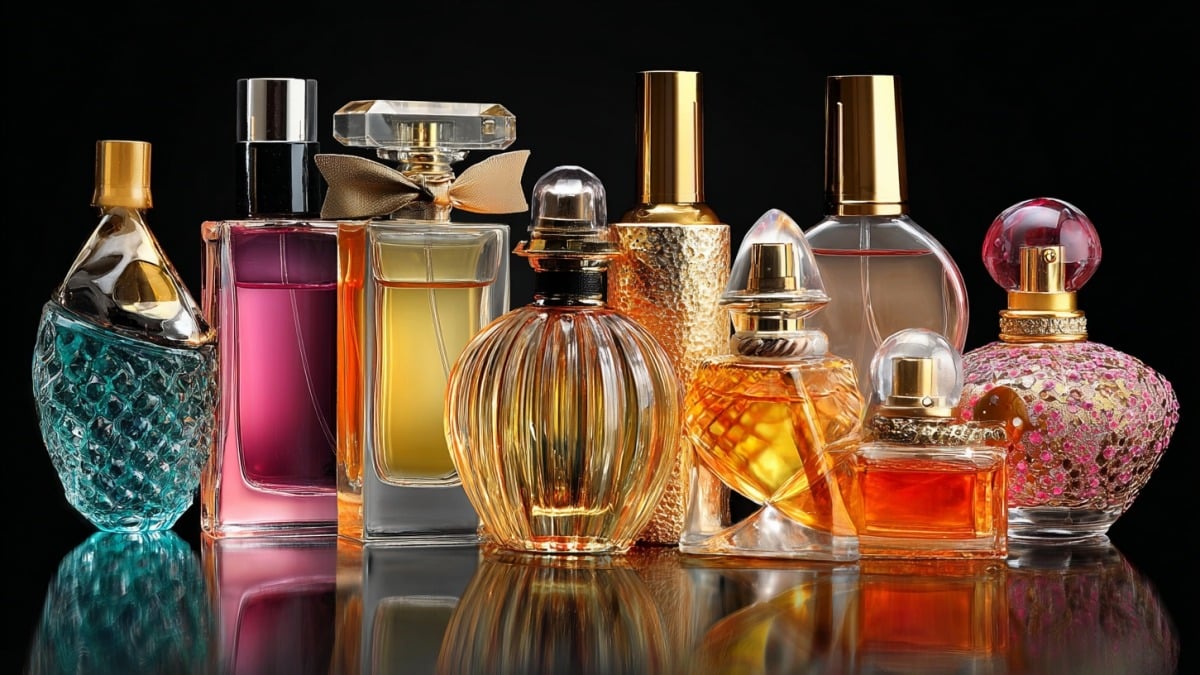
Perfume and cosmetics have been integral parts of human life for centuries, symbolizing beauty, self-expression, and personal care. These two industries not only cater to our aesthetic needs but also play a vital role in boosting confidence and creating a lasting impression. While perfumes captivate luxury women’s perfume reviews the senses through fragrance, cosmetics enhance physical features, helping individuals present the best version of themselves to the world. Together, they form a powerful combination in the art of personal grooming.
The Art and Science of Perfume
Perfume is more than just a pleasant scent—it is a form of self-expression and even a silent communicator. Throughout history, perfumes have been used for various purposes, from religious ceremonies in ancient Egypt to courtship rituals in Europe. Modern perfumes are crafted by blending natural and synthetic ingredients, including essential oils, aromatic compounds, and fixatives, to create unique and long-lasting fragrances.
Each perfume tells a story through its “notes,” which are categorized into three layers: top, middle, and base notes. The top notes give the first impression, the middle notes form the heart of the fragrance, and the base notes provide depth and longevity. Whether fresh and citrusy, floral and romantic, or deep and woody, perfumes allow individuals to choose scents that reflect their mood, personality, and even seasonal trends.
Perfume also has a psychological impact. Studies have shown that certain scents can influence mood, reduce stress, and even improve focus. For many, applying perfume is a daily ritual that boosts confidence and leaves a signature impression on others.
The Role of Cosmetics in Beauty Enhancement
Cosmetics encompass a wide range of products designed to enhance or alter appearance, protect the skin, and even promote skin health. From foundations and concealers that create a flawless complexion to lipsticks, mascaras, and eye shadows that add color and definition, cosmetics help individuals express their creativity and style.
In ancient civilizations, cosmetics were made from natural ingredients like crushed minerals, plant extracts, and oils. Today, the industry has evolved significantly, with advanced formulas that are safer, longer-lasting, and more diverse to suit various skin tones and types. Modern cosmetics are not just about beauty—they also focus on skincare, offering products enriched with vitamins, antioxidants, and sun protection to maintain healthy skin.
Makeup has the power to transform not only appearances but also emotions. A simple application of mascara or a bold lipstick can uplift one’s mood and give a sense of empowerment. In the professional world, makeup often plays a role in creating a polished, confident image, which can impact first impressions and communication.
The Connection Between Perfume and Cosmetics
Perfume and cosmetics may seem different in function, but they share a common purpose: enhancing personal beauty and self-assurance. Both are deeply tied to self-care rituals, often used together to create a complete grooming experience. A carefully chosen perfume complements the makeup look, leaving a harmonious overall impression.
For instance, a fresh, floral fragrance may pair well with a soft, natural makeup style, while a bold, spicy scent might match perfectly with dramatic evening makeup. Many cosmetic brands now release matching fragrance lines, encouraging customers to create a coordinated beauty signature.
The Influence of Trends and Personal Preferences
The world of perfume and cosmetics is heavily influenced by fashion trends, celebrity endorsements, and social media. New fragrance launches, makeup tutorials, and beauty influencers inspire millions to try different looks and scents. However, personal preference remains the most important factor—what works for one person may not suit another.
Choosing the right perfume involves considering factors like skin chemistry, occasion, and season. Similarly, selecting cosmetics requires understanding one’s skin type, tone, and lifestyle. A minimalistic person might prefer a light fragrance and a natural makeup look, while someone else may embrace strong scents and bold makeup colors.
Sustainability in the Beauty Industry
In recent years, there has been a growing demand for eco-friendly and cruelty-free beauty products. Consumers are becoming more conscious about ingredients, packaging, and ethical production practices. Many brands are now offering vegan perfumes, organic cosmetics, and refillable packaging to reduce environmental impact while still delivering high-quality products.
Conclusion
Perfume and cosmetics are more than just beauty products—they are tools of self-expression, confidence, and personal identity. Perfume enchants through scent, creating memories and emotions, while cosmetics enhance features and allow artistic expression. Together, they form a harmonious blend of sensory and visual appeal, making them timeless companions in the journey of beauty and self-care.