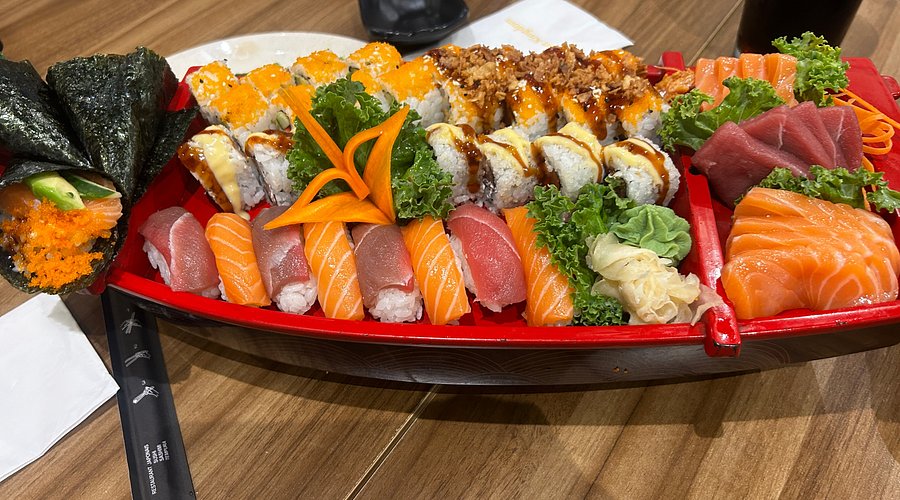
Food is an integral part of human existence, transcending mere sustenance to become a reflection of culture, tradition, and creativity. From the simplest dishes to gourmet experiences, the world of food is a vast landscape filled with flavors, aromas, and textures that tantalize the senses. This article explores the significance of food in our lives, the diversity of global cuisines, and the emerging trends shaping the culinary world.
The Importance of Food in Our Lives
At its core, food is essential for survival. It provides the nutrients necessary for our bodies to function, supports growth and development, and fuels our daily activities. However, food is much more than just a source of energy. It plays a crucial role in our social lives and cultural identities. Meals are often shared with family and friends, creating bonds and fostering relationships. Celebrations, holidays, and rituals are frequently centered around food, highlighting its significance in human connection.
Food also serves as a medium for self-expression and creativity. Chefs and home cooks alike use ingredients to tell stories, evoke emotions, and showcase their cultural heritage. The art of cooking allows individuals to experiment with flavors and techniques, transforming simple ingredients into culinary masterpieces. Whether it’s a grandmother’s secret recipe passed down through generations or a modern fusion dish created in a trendy restaurant, food reflects our personal and collective histories.
The Diversity of Global Cuisines
One of the most fascinating aspects of food is its diversity. Each culture around the world has developed its unique culinary traditions, shaped by geography, climate, and available ingredients. For instance, Mediterranean cuisine is known for its use of fresh vegetables, olive oil, and seafood, while Indian cuisine boasts a rich tapestry of spices, grains, and cooking techniques that vary widely across regions.
In Asia, street food has become a celebrated part of the culinary landscape. Countries like Thailand and Vietnam offer a variety of dishes served from food stalls, ranging from spicy noodles to fragrant rice dishes. Similarly, the vibrant flavors of Mexican cuisine, characterized by its use of corn, beans, and chilies, have gained popularity worldwide, with dishes like tacos and enchiladas becoming staples in many households.
Exploring different cuisines is not only a culinary adventure but also an opportunity to appreciate diverse cultures. Food tours and cooking classes have gained popularity as travelers seek authentic experiences that allow them to connect with locals and understand their culinary practices. This cultural exchange enriches our understanding of the world and promotes tolerance and appreciation for diversity.
Emerging Trends in the Culinary World
As we move further into the 21st century, the culinary world is witnessing several emerging trends that reflect changing attitudes towards food. One significant trend is the rise of plant-based diets. With increasing awareness of environmental issues and health concerns, many people are opting for vegetarian and vegan lifestyles. Restaurants are responding by expanding their menus to include innovative plant-based dishes that appeal to a broader audience.
Sustainability has also become a focal point in the culinary landscape. Chefs and consumers alike are increasingly concerned about the environmental impact of food production. This has led to a greater emphasis on locally sourced ingredients, organic farming practices, and minimizing food waste. Farm-to-table restaurants have gained popularity, emphasizing fresh, seasonal produce and supporting local farmers.
Furthermore, the fusion of cuisines has become a defining characteristic of contemporary dining. Chefs are experimenting with combining flavors and techniques from different cultures, resulting in exciting new dishes that challenge traditional culinary boundaries. For example, Korean tacos blend the bold flavors of Korean barbecue with the handheld convenience of Mexican street food, creating a unique gastronomic experience.
Conclusion
Food is a universal language that brings people together, reflecting our diverse cultures and shared humanity. The journey through the world of food is an exploration of flavors, traditions, and innovations that continue to evolve. As we embrace culinary diversity, we celebrate not only the act of eating but also the stories, creativity, and connections that food fosters. Whether through a simple home-cooked meal or an extravagant dining experience, food remains a powerful force in our lives, nurturing both body and soul.