Printed materials continue to play an important role in business communication. From business cards and brochures to flyers, posters, menus, and promotional materials, professionally produced print products can help a company present itself clearly and consistently. While digital marketing has become increasingly popular, physical materials still offer a practical way to connect with customers and strengthen brand recognition.
Why Professional Print Materials Matter
The quality of printed materials can influence how customers perceive a business. A well-designed business card, polished brochure, or professionally printed flyer can communicate attention to detail and reliability. On the other hand, poor-quality printing, incorrect colors, or blurry images may create an unfavorable impression.
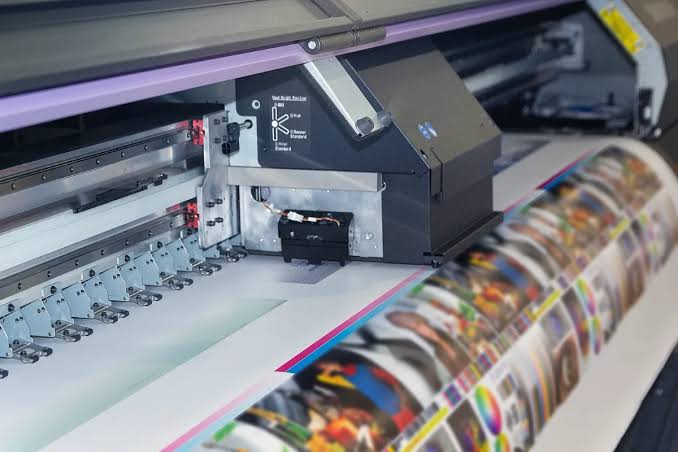
Professional printing services help businesses turn digital designs into high-quality physical products. They can also provide guidance on paper types, finishes, sizes, and printing methods to ensure the final result matches the purpose of the project. For printing Lynchburg check out Bright Images Print & Media Services.
A Wide Range of Printing Options
Different businesses have different printing requirements. Business cards remain useful for networking and face-to-face interactions, while brochures and flyers can provide customers with more detailed information about products or services.
Posters and banners are often used for events, promotions, sales, and local advertising. Restaurants may require professionally printed menus, while retail businesses can benefit from promotional signs, product labels, and marketing materials.
Many providers also handle invitations, presentation materials, calendars, stationery, and other customized products. Having access to multiple options makes it easier for businesses to maintain a consistent visual identity across different printed materials.
Choosing the Right Paper and Finish
Paper selection can significantly affect the appearance and durability of a printed product. Lightweight paper may be suitable for temporary flyers, whereas thicker stock can create a more premium feel for business cards or invitations.
Finishing options can also add value. Depending on the project, businesses may choose matte or glossy surfaces, special coatings, folding, cutting, or other finishing techniques. The right combination should be based on how the material will be used and the impression the business wants to create.
Supporting Branding and Marketing
Consistent printed materials can strengthen a company’s branding. Using the same logo, colors, typography, and overall design style across business cards, brochures, signs, and other materials can make a business easier to recognize.
Printed marketing materials can also support local promotional campaigns. Flyers distributed in a community, posters displayed in appropriate locations, or brochures handed to potential customers can complement online advertising efforts and help businesses reach people through multiple channels.
Accuracy Is Essential
Before sending a project to print, every detail should be reviewed carefully. Spelling mistakes, incorrect contact information, low-resolution graphics, or improper formatting can lead to unnecessary costs and delays.
A professional printing provider may review submitted files and identify technical problems before production. Businesses should also confirm dimensions, quantities, paper specifications, colors, and finishing requirements before approving the final order.
Balancing Quality and Budget
Cost is naturally an important consideration, particularly for businesses ordering large quantities. However, choosing the cheapest option is not always the best approach. Extremely low-cost materials may compromise paper quality, color accuracy, or durability.
A better strategy is to compare options based on overall value. Ordering an appropriate quantity, selecting suitable materials, and avoiding unnecessary finishing features can help control costs without sacrificing the quality of the final product.
Making Printing More Efficient
Planning ahead can make the printing process much easier. Businesses should determine their required quantity, deadline, preferred materials, and design specifications before placing an order. Keeping commonly used designs organized can also simplify repeat orders.
For regular printing needs, working with a reliable provider can create a more consistent workflow. Businesses can establish preferred specifications and reuse successful designs while making updates whenever necessary.
Final Thoughts
Printed materials remain a valuable part of business communication and promotion. Whether a company needs simple flyers, professional stationery, marketing brochures, or customized promotional products, quality production can make a noticeable difference.
By focusing on clear design, suitable materials, accurate information, and dependable production, businesses can create printed products that represent their brand effectively. A thoughtful approach to printing can support marketing efforts, improve customer communication, and contribute to a more professional overall business image.