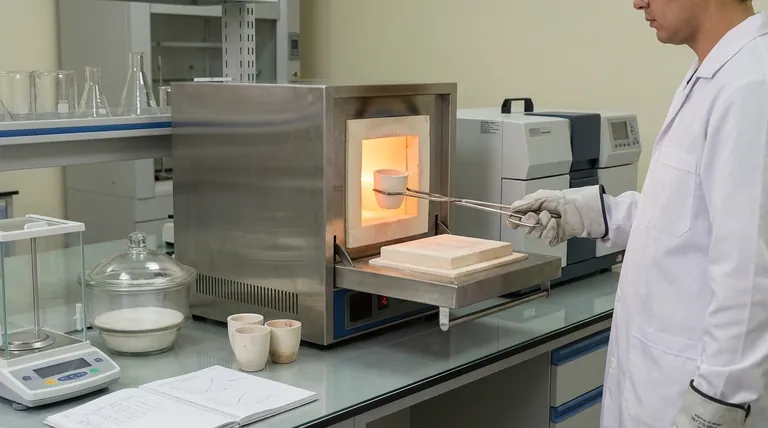
Specialized industrial equipment is developed to perform tasks that ordinary machinery may not handle effectively. These systems can be found in research laboratories, manufacturing facilities, semiconductor production, and high-temperature processing environments.
Designing specialized equipment requires careful coordination between mechanical engineering, material science, electrical systems, and operational requirements. Every component must be suitable for its intended function and compatible with the complete system.
A successful design should provide reliable performance while considering installation, maintenance, safety, and long-term operating costs.
Understanding the Purpose of Equipment Design
The design process begins with identifying the intended application. Engineers must understand what the equipment will process, how frequently it will operate, and which environmental conditions it will experience.
Important considerations include operating temperature, mechanical loading, chemical exposure, production capacity, and required precision.
Designers should also identify limitations in the existing facility. Available space, electrical supply, ventilation, and maintenance access can influence equipment configuration.
Clear technical requirements help prevent misunderstandings during manufacturing and installation.
Selecting Suitable Quartz-Based Components
Material selection is especially important when specialized equipment operates under demanding conditions. Quartz is used in certain industrial and scientific systems because particular forms of Custom Fused Quartz Furnace Tubes glass and fused silica offer useful thermal and chemical characteristics.
Custom fused silica plates may be considered when equipment requires specific shapes, thicknesses, dimensions, or surface characteristics. Their suitability depends on the intended application and the technical specifications established by engineers.
Material selection should consider operating temperature, mechanical support, dimensional tolerances, and environmental exposure. Engineers should also review supplier documentation before approving components.
Using appropriate materials from the beginning can reduce design complications and improve equipment compatibility.
Developing Accurate Technical Drawings
Technical drawings communicate important information about equipment dimensions and component arrangements. They help manufacturers understand how individual parts should be produced and assembled.
Drawings should include relevant measurements, tolerances, surface requirements, connection details, and material specifications.
Computer-aided design software allows engineers to examine equipment structures before manufacturing begins. Digital models can help identify component conflicts and improve installation planning.
When changes are required, updated drawings should be distributed to the relevant manufacturing and engineering teams.
Evaluating Safety and Operating Conditions
Safety must be considered throughout equipment development. Designers should identify potential hazards associated with temperature, electricity, moving components, pressure, and chemical exposure.
Protective systems may include emergency shutdown controls, temperature monitoring, safety barriers, and appropriate ventilation.
Equipment should also be designed so operators can perform routine tasks without unnecessary exposure to hazardous conditions.
Safety documentation and operating instructions should be prepared before the system enters regular use.
Testing Equipment Before Full Operation
Testing allows engineers to determine whether a newly developed system performs according to its specifications.
Initial testing may include dimensional checks, electrical inspections, temperature evaluations, mechanical assessments, and operational trials.
Any identified problems should be investigated before full production begins.
Testing records provide useful information about system performance and can support future maintenance activities. Engineers should also establish baseline measurements so that changes can be recognized during later inspections.
Planning for Maintenance and Future Improvements
Specialized equipment should be designed with maintenance requirements in mind. Components that require regular inspection or replacement should be accessible wherever practical.
Manufacturers should provide documentation covering component specifications, operating limits, and maintenance procedures.
Businesses should also consider whether future production requirements may require equipment modifications. Flexible designs can make later upgrades easier and reduce the need for complete system replacement.
Effective specialized equipment design combines engineering accuracy, appropriate materials, safety planning, and reliable testing. Companies that consider these factors early can develop systems that support consistent performance and long-term industrial productivity.


