A washing machine is one of the most valuable appliances you can make for your home. It saves hours of manual labor every week, protects your clothes from wear, and brings a level of convenience that modern households have come to depend on. But with so many types, brands, and features on the market, choosing the right one can feel overwhelming. This washing machine buying guide walks you through everything you need to know before you buy from capacity and technology to price and brand reliability so you can make a confident, informed decision.
Key Things to Consider Before Buying a Washing Machine
Loading Type: Top Load vs Front Load
This is usually the first decision buyers face, and it shapes almost everything else about the purchase.
Top load washing machines are easier to load, generally more affordable, and have shorter wash cycles. They work well for buyers who want simplicity and don’t want to bend down while loading laundry, a common consideration for elderly users or those with back pain.
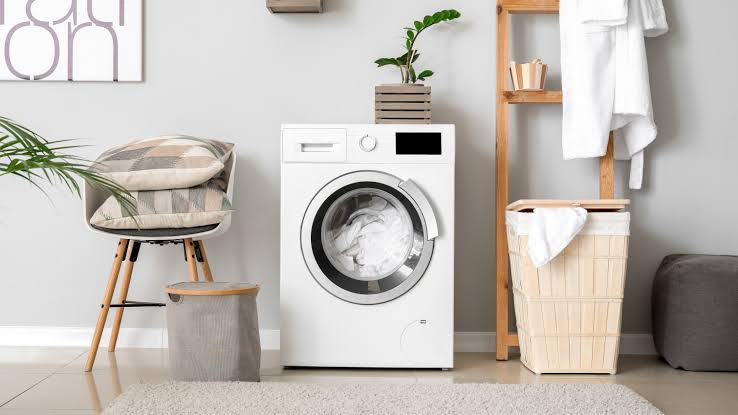
Front load washing machines typically use less water and electricity, offer more wash programs, and are gentler on fabrics due to the tumbling wash action. They tend to cost more upfront but often deliver better long-term value through lower utility bills.
For a small apartment with limited water pressure or a tight budget, a top load washing machine often makes more sense. For larger households doing frequent, heavier loads, bedsheets, towels, blankets, a front load washing machine efficiency and fabric care usually justify the higher price.
Washing Capacity
Washing machine capacity is measured in kilograms of dry laundry per cycle, and getting this right avoids both wasted water and overloaded drums. A 7 KG washing machine is suitable for singles or couples. 7.5 to 9 KG washing machine ideal for small to mid-sized families. 9 KG washing machine and above best for large families or households that wash bedsheets, towels, and blankets frequently
Buying a washing machine that’s too small means running more cycles, which wastes both water and electricity. Buying one that’s too large for daily needs wastes energy per wash.
Fully Automatic vs Semi-Automatic
A fully automatic washing machine handles washing, rinsing, and spinning without any manual intervention. You load the clothes, select a program, and walk away. A semi-automatic machine requires you to manually transfer clothes between the wash and spin tubs, which takes more time and effort but usually costs less. For most modern households, a fully automatic washing machine offers far better convenience, and prices have become competitive enough that the extra cost is often worth it.
Inverter Technology
An inverter washing machine uses a variable-speed motor instead of a traditional fixed-speed motor. This results in quieter operation, lower electricity consumption, and typically a longer motor lifespan, since the motor isn’t switching on and off at full power repeatedly. If you plan to keep your washing machine for many years, inverter models are generally the smarter long-term choice, even though they cost more initially.
Energy and Water Efficiency
Look for the energy efficiency star rating on the machine. A 5-star rated washing machine consumes significantly less electricity over its lifetime compared to a lower-rated one. Combined with water-saving features like load sensors that automatically adjust water levels, an energy-efficient washing machine can meaningfully reduce your monthly utility bills.
Smart Features and Wash Technology
Modern washing machines increasingly come with smart features worth considering: Steam wash and hygiene programs for deeper cleaning and allergen removal. AI based load sensing that adjusts water and detergent automatically. Wi-Fi connectivity and app control, letting you monitor and start cycles remotely. Digital inverter motors for quieter, more durable operation. Child lock and delay start, useful safety and scheduling features for families. These features add convenience, but they also add cost, so weigh them against your actual daily habits rather than buying every available extra.
Noise Level and Installation Space
If your washing machine will sit near a bedroom or in a compact utility space, noise level and vibration control matter. Front load and inverter models generally run quieter than older top load or non-inverter machines. Also measure your installation space in advance, front load machines usually need more clearance for the door to open fully.
After-Sales Service and Warranty
A washing machine is a long-term appliance, so warranty coverage and access to genuine spare parts matter as much as the specifications sheet. Look for machines backed by official manufacturer warranties, and buy from retailers who can guarantee genuine products and reliable servicing.
Where to Buy Washing Machine in Bangladesh
Buying a washing machine from a trusted retailer matters just as much as the machine itself. Star Tech, a well-established washing machine and appliance retailer in Bangladesh, offers a wide range of washing machines from popular brands alongside EMI facilities and nationwide home delivery, making it easier to bring genuine, warranty-backed products home without straining your budget upfront. Buying from an established retailer also means easier access to after-sales support if you ever need servicing or parts.