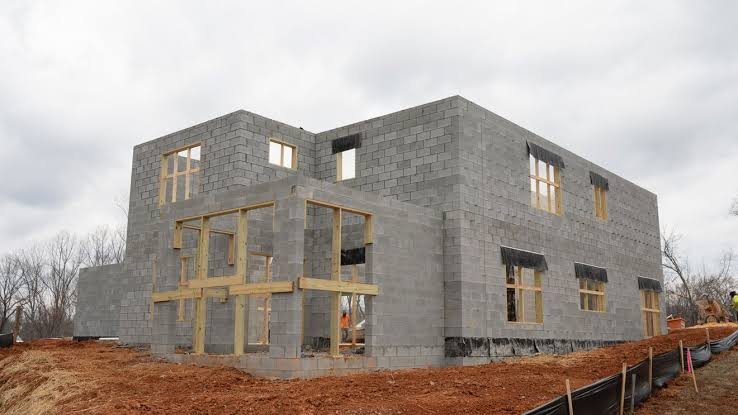
Residential shoring presents unique challenges that differ significantly from commercial applications, requiring specialized knowledge of residential construction methods, careful attention to living space concerns, and sensitivity to homeowner needs. As home renovation projects become more ambitious, involving structural modifications that once might have required complete demolition, professional shoring has become essential for protecting both property and residents.
The structural systems found in residential construction often lack the redundancy and over-design common in commercial buildings. Wood-frame construction, unreinforced masonry, and aging foundations require careful assessment before any structural modifications. Load paths in homes can be complex and non-intuitive, with loads sometimes transferred through non-structural elements. Understanding these residential-specific characteristics is crucial for developing safe and effective shoring plans.
Common residential shoring applications include supporting floor systems during wall removal for open-concept renovations, stabilizing structures during foundation repair or replacement, and temporary support during seismic retrofitting. Each application demands careful consideration of how shoring will integrate with existing living spaces and minimize disruption to daily life. Golden State Shoring specializes in developing solutions that balance structural requirements with livability concerns.
The confined spaces typical of residential projects often preclude the use of large equipment common on commercial sites. This limitation requires creative solutions using lighter, more maneuverable components that can be hand-carried through standard doorways and assembled in tight spaces. Modular aluminum shoring systems have become particularly valuable for residential applications, offering high strength in compact, lightweight packages.
Protecting finished surfaces represents a major concern in occupied residential projects. Unlike commercial construction sites where some cosmetic damage might be acceptable, residential shoring must be installed without damaging flooring, walls, or ceilings that will remain after project completion. This requires careful use of protective materials, precise installation techniques, and often custom-fabricated bearing plates to distribute loads without causing damage.
Communication with homeowners throughout the shoring process is essential for project success. Many homeowners have never experienced structural work and may be anxious about the process. Clear explanation of shoring purposes, expected duration, and safety measures helps build confidence and cooperation. Regular updates on project progress and prompt response to concerns maintain positive relationships throughout what can be a stressful time for residents.
Safety considerations in residential shoring extend beyond structural concerns to include protection of occupants who may be living in the home during work. Shoring installations must maintain required egress paths, avoid creating trip hazards, and include appropriate barriers to keep children and pets away from work areas. Golden State Shoring prioritizes these safety considerations in every residential project design.
The future of residential shoring will likely see continued development of systems specifically designed for home applications. Quieter installation methods, more aesthetically pleasing components, and systems that integrate better with living spaces are already emerging. As homeowners continue to invest in major renovations rather than moving, professional residential shoring will play an increasingly important role in making these transformations possible.