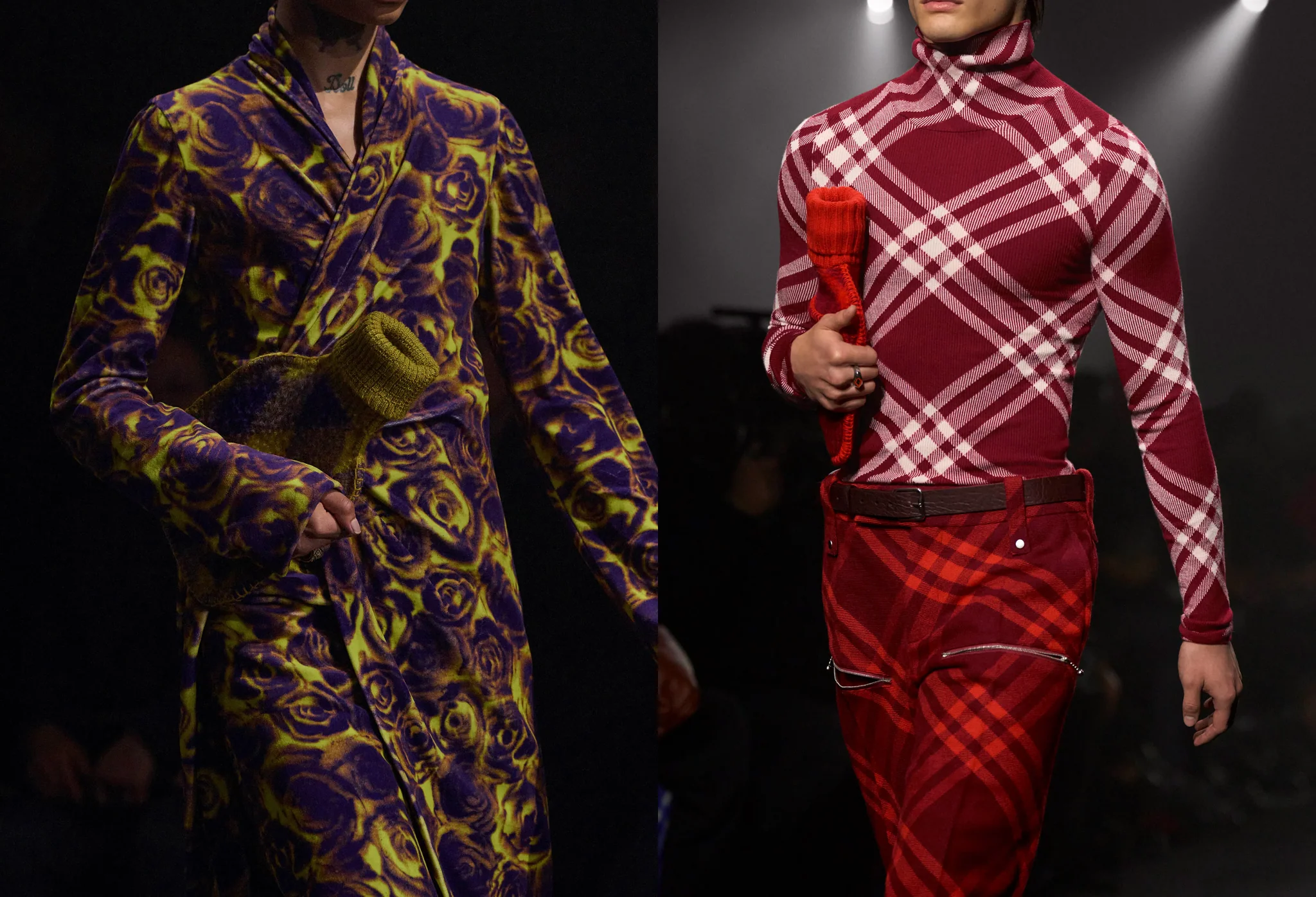
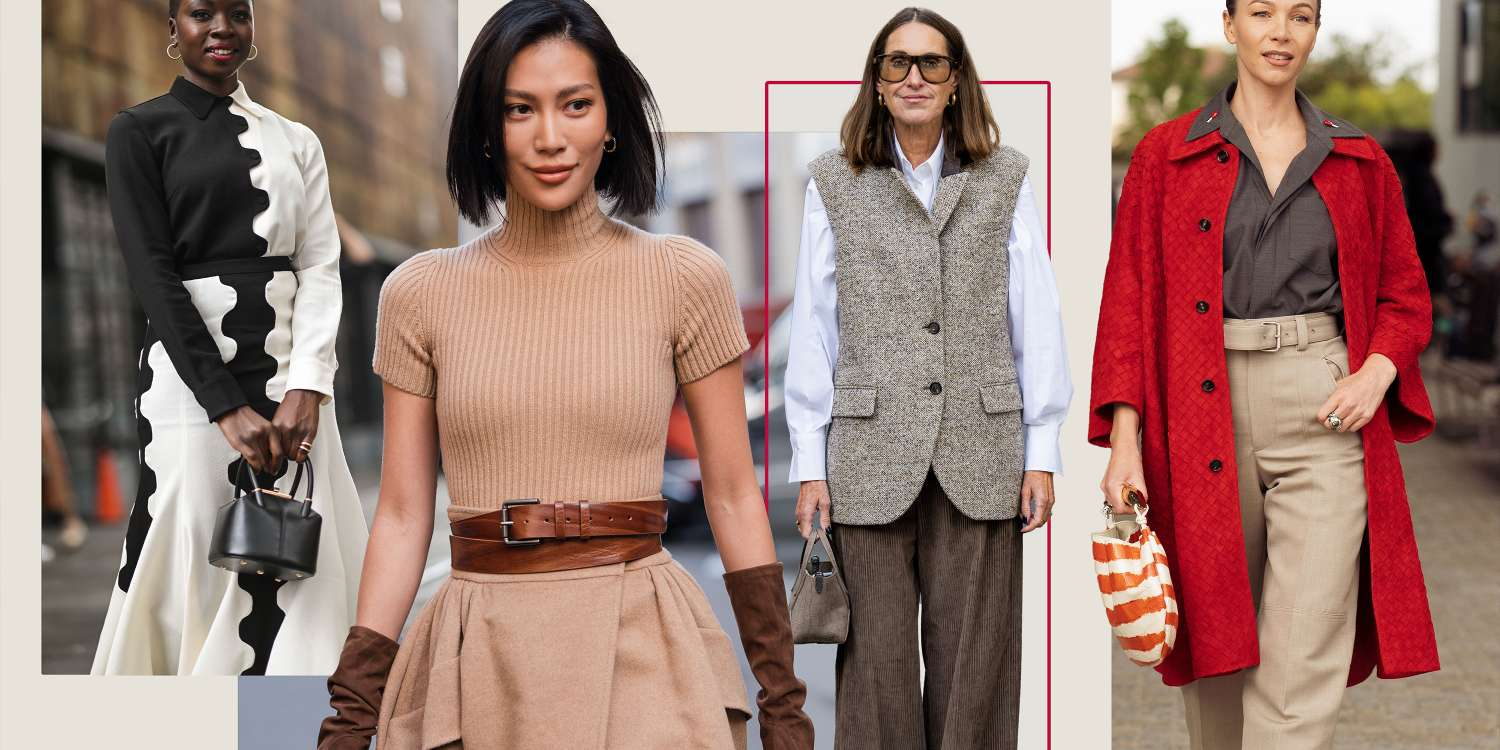
Fashion is a dynamic and ever-evolving expression of culture, identity, and personal style. Over the years, it has transcended beyond mere clothing and accessories to become a form of art that reflects societal changes, technological advancements, and global influences. This article delves into the evolution of fashion, highlighting key trends, movements, and the impact of technology on how we perceive and engage with style today.
The Roots of Fashion
Fashion has deep historical roots, dating back to ancient civilizations where clothing was a sign of status and culture. In ancient Egypt, for example, linen garments indicated wealth and power, while the Greeks and Romans used draped fabrics to signify citizenship and class. The Middle Ages saw the rise of elaborate garments adorned with furs and jewels, often indicating one’s rank within society.
The Renaissance marked a pivotal moment in fashion history, emphasizing individuality and personal expression. The emergence of tailoring and the introduction of rich textiles, vibrant colors, and intricate designs allowed for more personal interpretations of style. This period set the foundation for modern fashion as we know it today, leading to the establishment of fashion houses in the 19th century.
The Birth of Haute Couture
The 20th century heralded the birth of haute couture, with designers like Coco Chanel, Christian Dior, and Yves Saint Laurent revolutionizing the industry. Chanel’s introduction of the “little black dress” and the concept of casual elegance changed women’s fashion forever. Dior’s “New Look,” characterized by its hourglass silhouette, redefined femininity in the post-war era, while Saint Laurent’s tuxedo jackets for women challenged gender norms and brought menswear-inspired styles to the forefront.
The rise of fashion magazines and runway shows in this era further propelled fashion into the mainstream, allowing designers to showcase their collections to a wider audience. The influence of celebrities and fashion icons began to shape public perception, making fashion accessible and desirable.
The Cultural Impact of Fashion
Fashion is not merely a reflection of individual taste; it is also a powerful cultural force. The 1960s and 1970s saw the emergence of countercultural movements that used fashion as a means of protest and self-expression. The hippie movement, for instance, embraced bohemian styles, natural fabrics, and a laid-back aesthetic as a rejection of mainstream values. This era also witnessed the rise of punk fashion, characterized by leather jackets, band tees, and DIY embellishments, symbolizing rebellion against the establishment.
As globalization progressed, fashion became increasingly intertwined with cultural exchanges. Designers began to draw inspiration from diverse traditions, leading to a fusion of styles that celebrated multiculturalism. This blending of influences can be seen in contemporary streetwear, which often incorporates elements from various cultures, creating a unique and globalized fashion narrative.
Technology and Fashion in the Modern Era
The advent of technology has had a profound impact on the fashion industry. From the introduction of synthetic fabrics to advancements in manufacturing processes, technology has enabled designers to experiment with materials and designs in ways previously unimaginable. The rise of fast fashion has made trendy clothing more accessible, allowing consumers to keep up with the latest styles at an affordable price.
Moreover, social media has transformed the way fashion is consumed and shared. Platforms like Instagram and TikTok have given rise to influencers and micro-influencers, who have the power to shape trends and dictate styles. This democratization of fashion has blurred the lines between high fashion and street style, allowing individuals to curate their personal aesthetics while showcasing their creativity.
Sustainability and the Future of Fashion
As the fashion industry continues to evolve, there is a growing awareness of the environmental and ethical implications of clothing production. The rise of sustainable fashion has become a key movement, with consumers increasingly seeking brands that prioritize eco-friendly practices and ethical labor conditions. This shift has prompted many designers to rethink their approaches, focusing on quality over quantity and promoting timeless styles that transcend seasonal trends.
The future of fashion lies in a harmonious balance between innovation, sustainability, and personal expression. As technology advances, we may see further developments in areas like 3D printing and virtual fashion shows, allowing for greater creativity and inclusivity. The industry must continue to adapt, embracing change while remaining rooted in the principles of individuality and self-expression.
Conclusion
Fashion is an intricate tapestry woven from history, culture, and personal expression. Its evolution reflects societal changes, technological advancements, and the desire for individuality. As we look to the future, the fashion industry faces both challenges and opportunities, with sustainability and inclusivity at the forefront. Embracing these principles will ensure that fashion remains a vibrant and relevant form of expression for generations to come.